Crossing Ideas Solutions

Found your blocker? See how to start SOLUTIONS

Find your growth storyline

From "who am I and what do I sell" all the way to "how customers arrive, buy and come back", and finally whether operations can keep up. Follow the line and see which part is closest to where you are now.

PRIORITY

So much to do — which one comes first?

There is room to improve your website, ads, social and store, but time and budget are limited. Look at which part most affects the business right now, then decide where the money and time should go.

What you might be facing

  • The site is a few years old — fix it or rebuild it?
  • Ads keep spending, but the results are hard to judge
  • IG, LINE and the store are all running, but it's unclear which actually works
  • You have data, but the next step is still hard to call

How Crossing Ideas helps

Problem prioritisation

Put the website, traffic, product and conversion problems you want to fix side by side, and rank the 1–3 most worth handling first.

Resource planning

Building on that priority order, bring in time, budget and people to decide what comes first, what waits, and what to skip for now.
Talk to Nicole
POSITION

You do more than others — can customers tell?

Skills, experience and service can all be strengths. But if your website says roughly what everyone else says, customers end up comparing on price.

What you might be facing

  • Lots of website content, but no clear difference from others
  • You do more, but customers can't see where the difference is
  • Sales has to re-explain the company's edge every time
  • Moving into a new market, unsure the old story still holds

How Crossing Ideas helps

USP positioning

From customers' reasons to choose, competitor claims and your own evidence, define one core difference and the reasons behind it — a clear answer to 'why you'.

Core message design

Turn that USP into your website proposition, core message and supporting content, so the homepage, service pages and sales pitch tell one consistent story.

Talk to Nicole
PRODUCT

Too many products — and customers can't choose?

Which goes first, which you push, how products differ — all shape how customers choose. The more products you have, the more this needs to be clear.

What you might be facing

  • Many products, unsure which to lead with on the site
  • Customers keep asking 'what's the difference between these?'
  • Every customer needs a fresh intro and a new quote
  • Want to launch something new, unsure the market will buy it

How Crossing Ideas helps

Product role planning

Sort existing products by customer need and business goal into lead, entry, profit and extension roles, so each product has a job.

Product mix design

Building on those roles, arrange how products relate — choice, bundles and upgrades — so customers know what to pick first and what comes next.

Talk to Nicole
TRAFFIC

How are customers finding you right now?

Google, social and ads can all bring people in, but not equally. See which channels really bring the right people, then decide where to put the effort next.

What you might be facing

  • The site has been up a while, but search traffic is still low
  • Stop the ads and the enquiries and orders stop too
  • Social gets views, but few people reach the website
  • Made a lot of content, unsure which actually brings customers

How Crossing Ideas helps

Search demand mapping

Map the questions, intent and topics customers really search for, and rank the search demand your site should capture first.

SEO content planning

Match that search demand to pages and content, and lay out what to add, strengthen or rewrite next.

Talk to Nicole
CONVERSION

People arrive — so why no next step?

Some don't get the product, some don't know how to choose, some drop at the last step. Find where customers stop, and you will know what to fix on the site.

What you might be facing

  • People visit, but enquiries are few
  • Ads get clicks, orders don't follow
  • Customers keep asking what the site should already make clear
  • Plenty of enquiries, few actually close

How Crossing Ideas helps

Conversion drop-off analysis

Across the main path from landing to browsing to enquiry to purchase, find the 1–3 drop-off points that most affect the next action.

Key page optimisation

Building on those drop-offs, pick the pages that most need work and adjust the information order, the persuasion and the CTA.

Talk to Nicole
CUSTOMER SUCCESS

Let customers get answers without waiting for a person

How to use the product, what to do next, how to handle an issue — all of it can be organised so customers can find it any time. People step in where people are needed, instead of answering everything from scratch.

What you might be facing

  • Customers keep asking how to use it after buying
  • Docs, guides and FAQs scattered across LINE, email and PDFs
  • The same question answered again by different colleagues
  • When a customer is stuck, they can only wait for sales or support

How Crossing Ideas helps

Post-purchase value audit

Organise the questions, needs and still-valuable information or services customers hit after buying, and find what is most worth providing on an ongoing basis.

Post-purchase interaction plan

Building on that, design 1–2 regular touchpoints — timing, content, channel, and whether handled by a person, a system or AI.

Talk to Nicole
RETENTION

They bought once — will they think of you next time?

Growth is not only about finding new customers. Whether existing customers buy again, re-engage or refer often decides whether a business quietly compounds.

What you might be facing

  • Spending a lot on new customers, but most buy only once
  • Lots of members, but not much business coming from them
  • LINE and EDM keep going out, but results keep fading
  • Without a discount, customers rarely come back

How Crossing Ideas helps

Repeat-customer analysis

From purchase records, repeat cycles, frequency and order value, sort out the 2–3 groups most worth re-engaging.

Repeat-purchase mechanism design

Building on those groups, define the right timing, reason to return and channel — so not every past customer is worked the same way.

Talk to Nicole
DATA

You want to answer a question — but where is the data?

Start from the business questions you actually want to answer, then look at what data you need, where it is scattered, and what is worth connecting. Not more reports — just important questions that have data behind them.

What you might be facing

  • Website, ads and orders each sit apart, hard to compare
  • Before every meeting, someone hand-compiles several spreadsheets
  • Plenty of reports, but the real question has no answer
  • Want to know which traffic, products or customers matter — but the data won't connect

How Crossing Ideas helps

Data needs audit

Start from the 1–3 business questions you really want answered, work back to the metrics and sources needed, and clarify what you have and what is missing.

Data integration blueprint

Building on those needs, map how website, ads, order and member data connect — what to link first, how, and where you will finally see it.

Talk to Nicole
01
PRIORITY Priorities
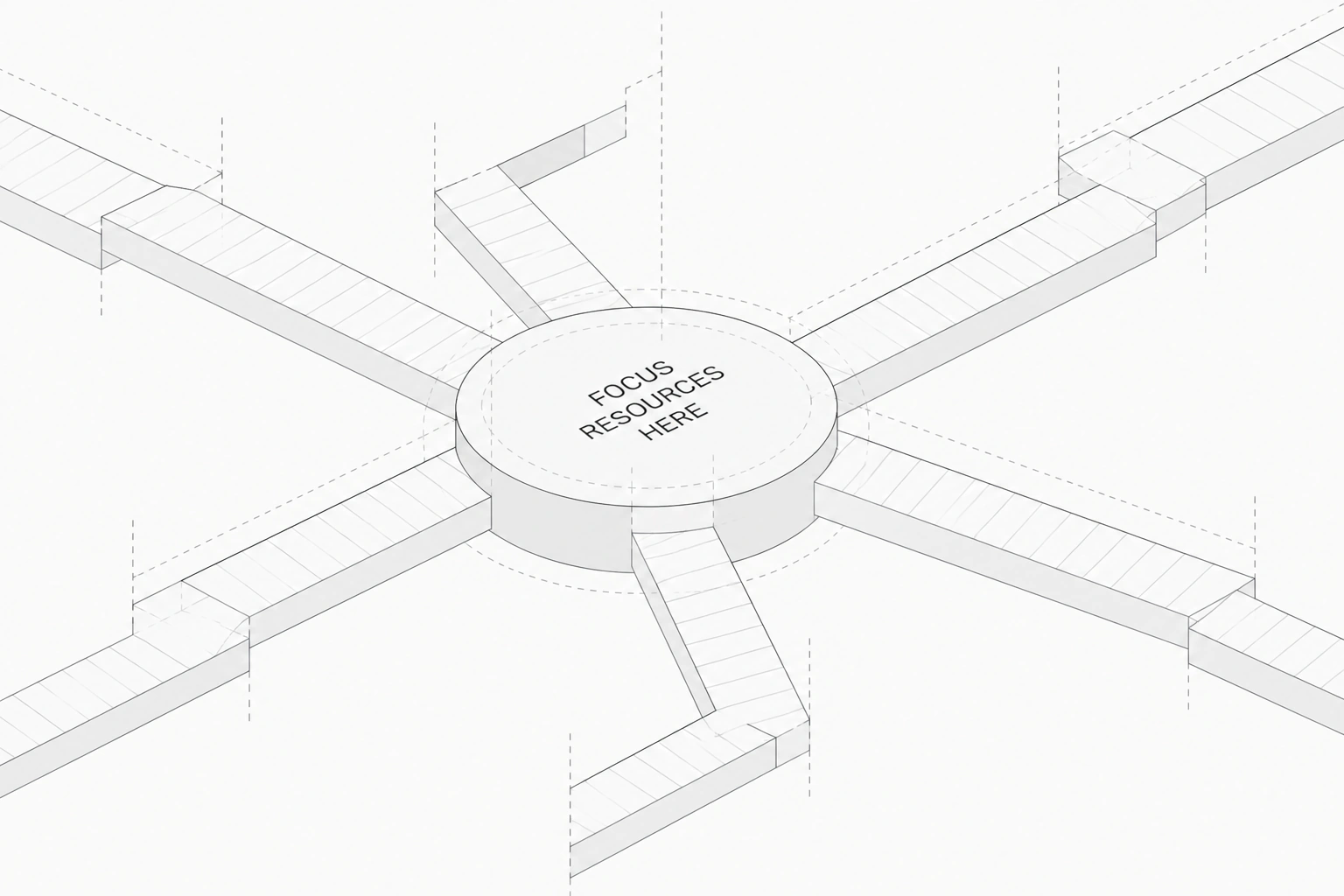
Where should the money and time go right now? Website, Shopee, IG, LINE — all half-built. Which one do you rescue first?
What this part looks at

There is room to improve your website, ads, social and store, but time and budget are limited. Look at which part most affects the business right now, then decide where the money and time should go.

What you might be facing

  • The site is a few years old — fix it or rebuild it?
  • Ads keep spending, but the results are hard to judge
  • IG, LINE and the store are all running, but it's unclear which actually works
  • You have data, but the next step is still hard to call

How Crossing Ideas helps

Problem prioritisation

Put the website, traffic, product and conversion problems you want to fix side by side, and rank the 1–3 most worth handling first.

Resource planning

Building on that priority order, bring in time, budget and people to decide what comes first, what waits, and what to skip for now.

02
POSITION Positioning
Why do customers feel we're just like everyone else? You have put real cost into tech and service, but after hearing it customers still only compare on price.
What this part looks at

Skills, experience and service can all be strengths. But if your website says roughly what everyone else says, customers end up comparing on price.

What you might be facing

  • Lots of website content, but no clear difference from others
  • You do more, but customers can't see where the difference is
  • Sales has to re-explain the company's edge every time
  • Moving into a new market, unsure the old story still holds

How Crossing Ideas helps

USP positioning

From customers' reasons to choose, competitor claims and your own evidence, define one core difference and the reasons behind it — a clear answer to 'why you'.

Core message design

Turn that USP into your website proposition, core message and supporting content, so the homepage, service pages and sales pitch tell one consistent story.

03
PRODUCT Product
So much to offer — which do you actually push? The more items you add, the less customers choose, and everyone asks what the difference is.
What this part looks at

Which goes first, which you push, how products differ — all shape how customers choose. The more products you have, the more this needs to be clear.

What you might be facing

  • Many products, unsure which to lead with on the site
  • Customers keep asking 'what's the difference between these?'
  • Every customer needs a fresh intro and a new quote
  • Want to launch something new, unsure the market will buy it

How Crossing Ideas helps

Product role planning

Sort existing products by customer need and business goal into lead, entry, profit and extension roles, so each product has a job.

Product mix design

Building on those roles, arrange how products relate — choice, bundles and upgrades — so customers know what to pick first and what comes next.

04
TRAFFIC Traffic
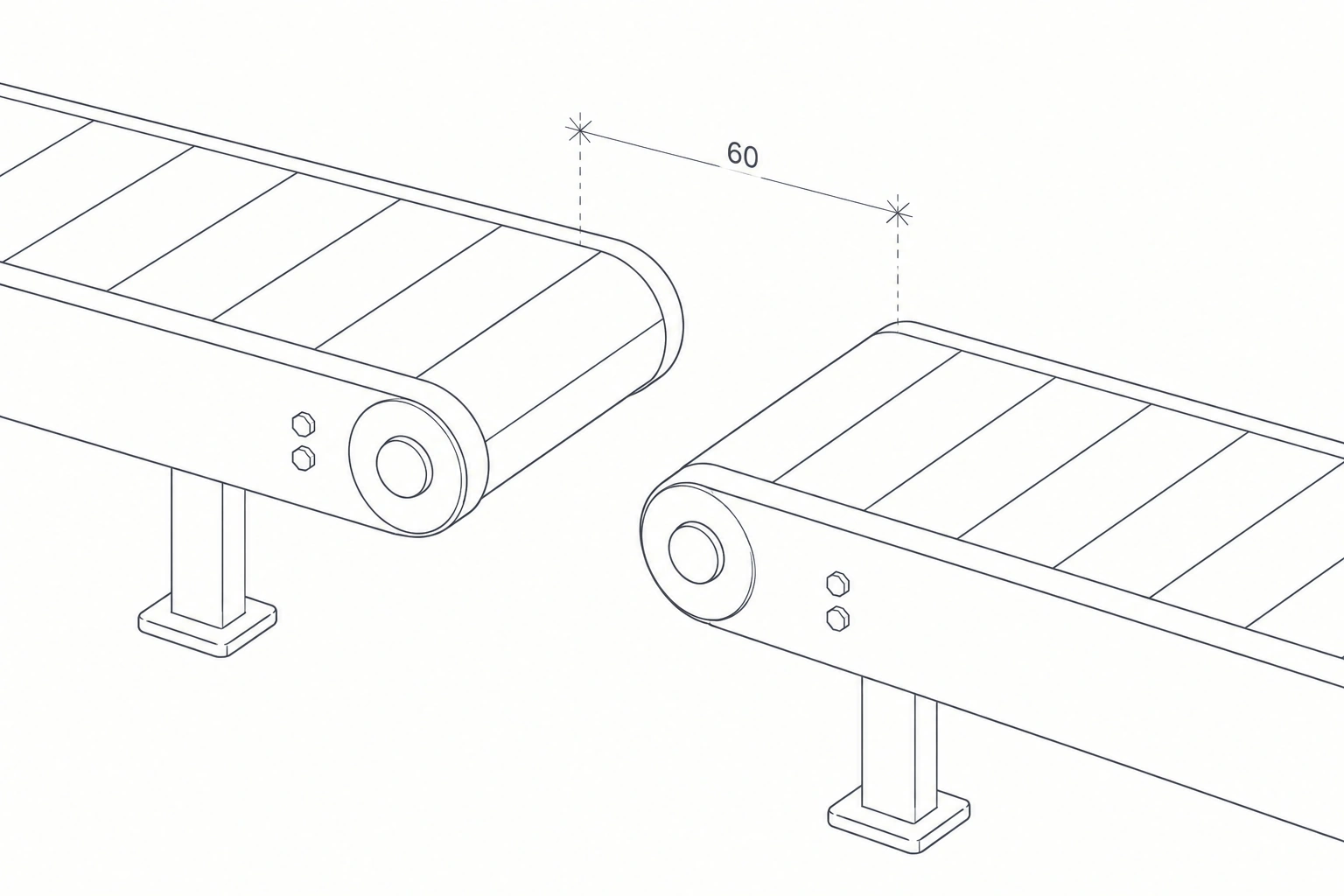
Everyone talks product, but customers still don't get who we are Money spent, people showing up, but no buying and no enquiries — and no idea how traffic should really work.
What this part looks at

Google, social and ads can all bring people in, but not equally. See which channels really bring the right people, then decide where to put the effort next.

What you might be facing

  • The site has been up a while, but search traffic is still low
  • Stop the ads and the enquiries and orders stop too
  • Social gets views, but few people reach the website
  • Made a lot of content, unsure which actually brings customers

How Crossing Ideas helps

Search demand mapping

Map the questions, intent and topics customers really search for, and rank the search demand your site should capture first.

SEO content planning

Match that search demand to pages and content, and lay out what to add, strengthen or rewrite next.

05
CONVERSION Conversion
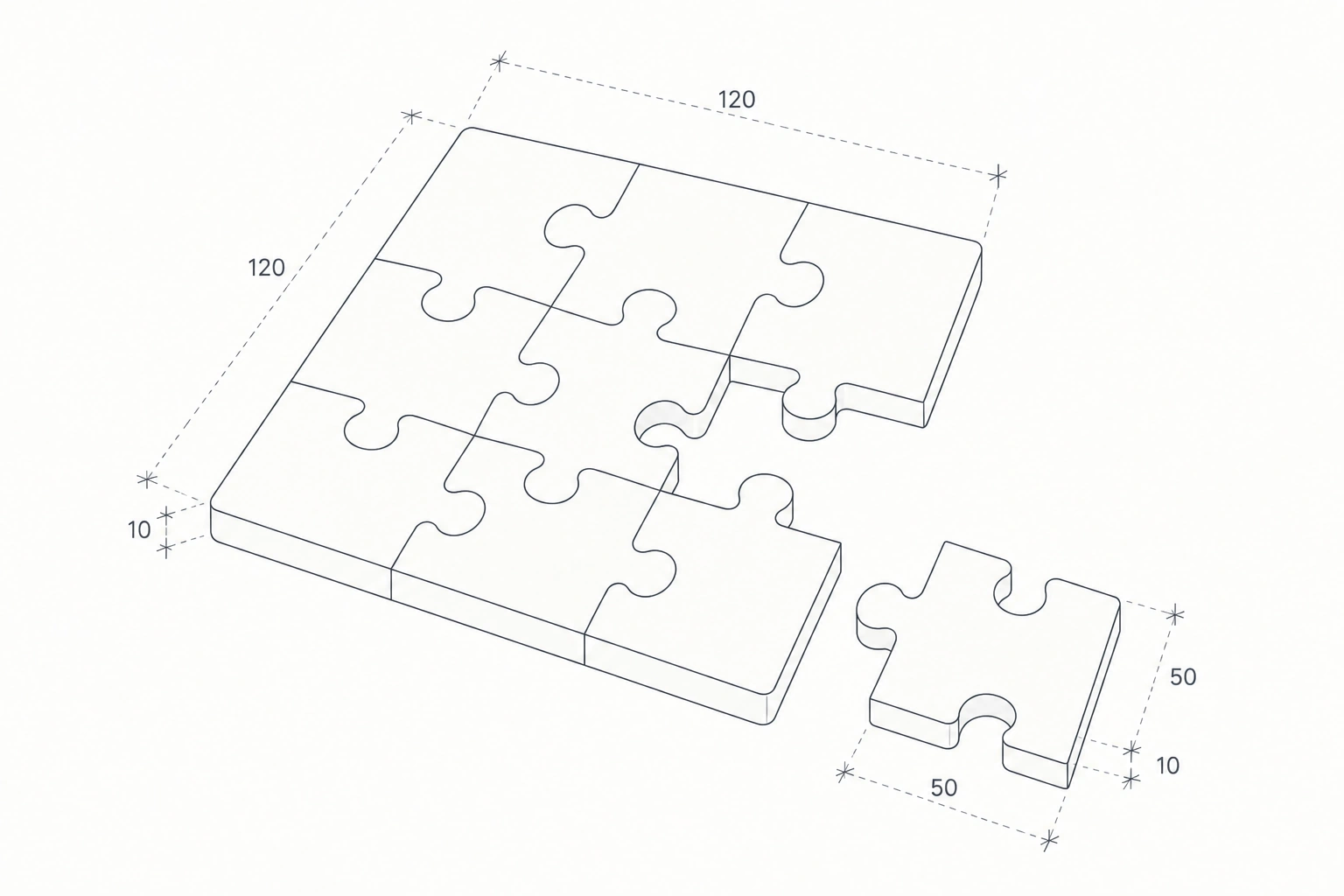
People came — so why didn't they buy? They looked at the product, the price, even the booking page, but didn't book or buy. Where's the block?
What this part looks at

Some don't get the product, some don't know how to choose, some drop at the last step. Find where customers stop, and you will know what to fix on the site.

What you might be facing

  • People visit, but enquiries are few
  • Ads get clicks, orders don't follow
  • Customers keep asking what the site should already make clear
  • Plenty of enquiries, few actually close

How Crossing Ideas helps

Conversion drop-off analysis

Across the main path from landing to browsing to enquiry to purchase, find the 1–3 drop-off points that most affect the next action.

Key page optimisation

Building on those drop-offs, pick the pages that most need work and adjust the information order, the persuasion and the CTA.

06
CUSTOMER SUCCESS Customer Success
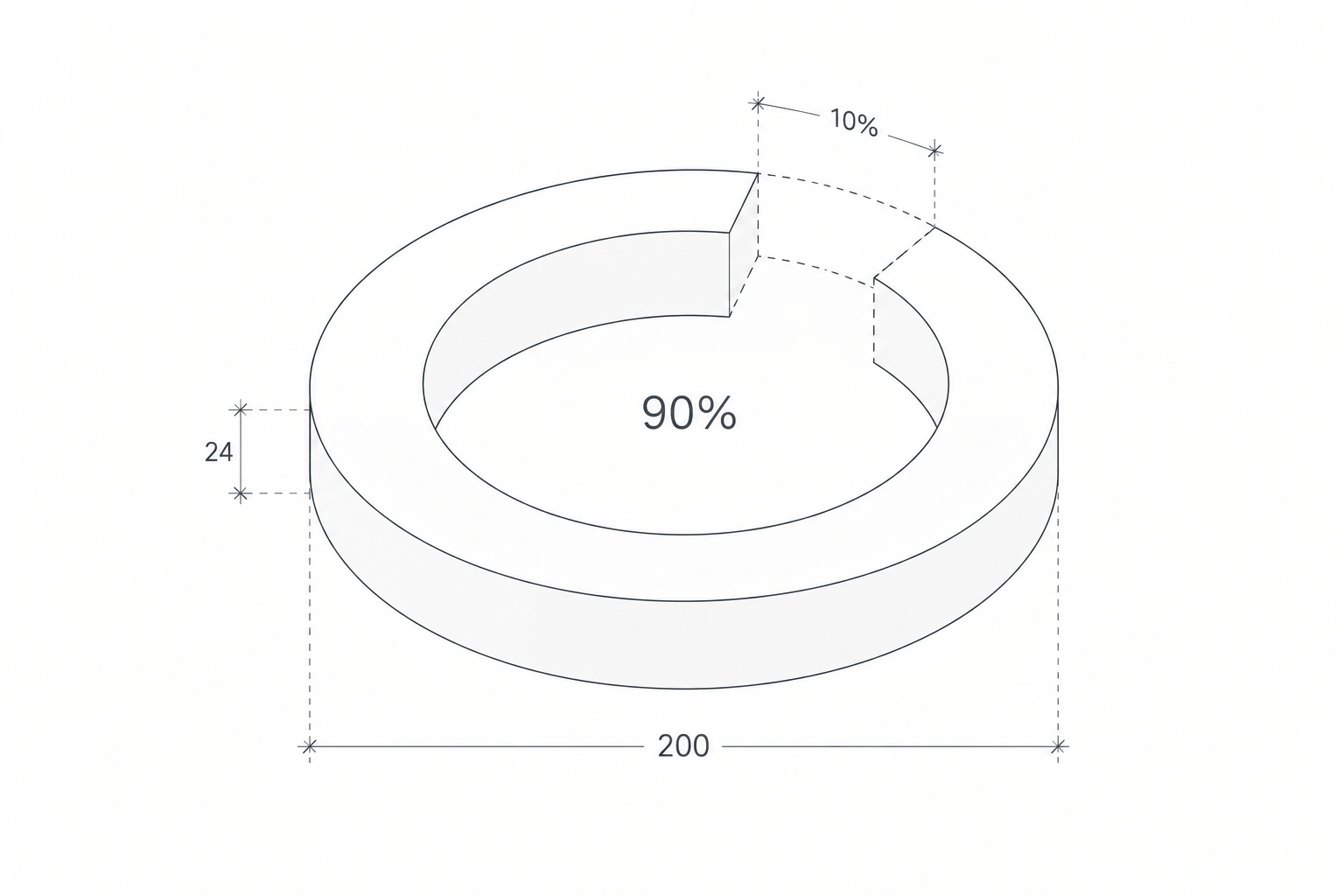
After the sale, do customers know what to do next? Product bought and service started, but how-to, docs and FAQs are scattered, so they keep coming back to ask a person.
What this part looks at

How to use the product, what to do next, how to handle an issue — all of it can be organised so customers can find it any time. People step in where people are needed, instead of answering everything from scratch.

What you might be facing

  • Customers keep asking how to use it after buying
  • Docs, guides and FAQs scattered across LINE, email and PDFs
  • The same question answered again by different colleagues
  • When a customer is stuck, they can only wait for sales or support

How Crossing Ideas helps

Post-purchase value audit

Organise the questions, needs and still-valuable information or services customers hit after buying, and find what is most worth providing on an ongoing basis.

Post-purchase interaction plan

Building on that, design 1–2 regular touchpoints — timing, content, channel, and whether handled by a person, a system or AI.

07
RETENTION Retention
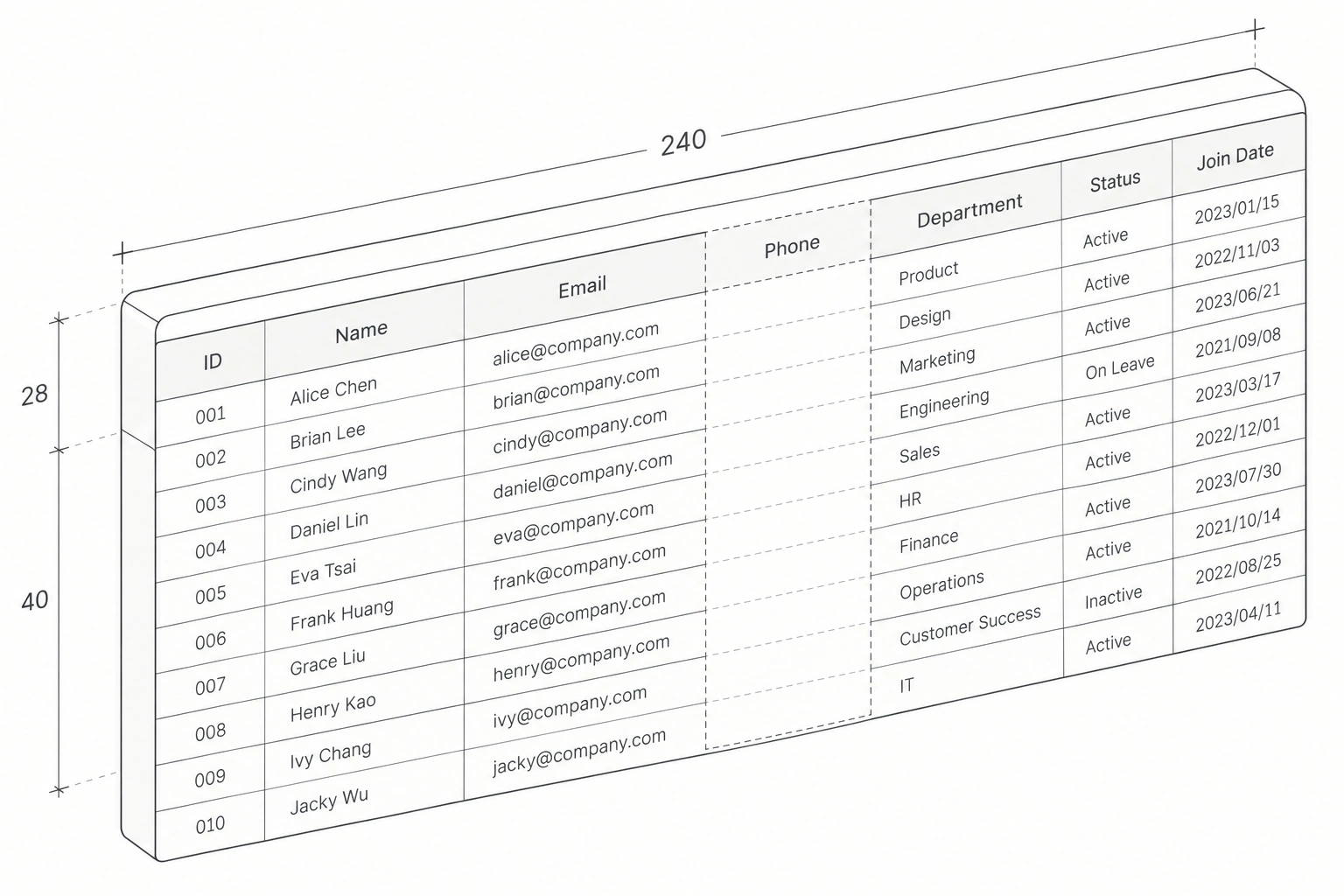
Why do customers buy once and never come back? We know we should do repeat and membership, but once you count the effort and cost, unless it is high-ticket it barely pays off.
What this part looks at

Growth is not only about finding new customers. Whether existing customers buy again, re-engage or refer often decides whether a business quietly compounds.

What you might be facing

  • Spending a lot on new customers, but most buy only once
  • Lots of members, but not much business coming from them
  • LINE and EDM keep going out, but results keep fading
  • Without a discount, customers rarely come back

How Crossing Ideas helps

Repeat-customer analysis

From purchase records, repeat cycles, frequency and order value, sort out the 2–3 groups most worth re-engaging.

Repeat-purchase mechanism design

Building on those groups, define the right timing, reason to return and channel — so not every past customer is worked the same way.

08
DATA Data
Everyone says data matters — but what do you actually do with it? The website and orders have plenty of numbers, and we know data matters in the AI era, but when it is time to use it, we do not know where to start.

What this part looks at

Start from the business questions you actually want to answer, then look at what data you need, where it is scattered, and what is worth connecting. Not more reports — just important questions that have data behind them.

What you might be facing

  • Website, ads and orders each sit apart, hard to compare
  • Before every meeting, someone hand-compiles several spreadsheets
  • Plenty of reports, but the real question has no answer
  • Want to know which traffic, products or customers matter — but the data won't connect

How Crossing Ideas helps

Data needs audit

Start from the 1–3 business questions you really want answered, work back to the metrics and sources needed, and clarify what you have and what is missing.

Data integration blueprint

Building on those needs, map how website, ads, order and member data connect — what to link first, how, and where you will finally see it.

OUR SOLUTIONS

How we can help

Not every blocker above has to become a big project. Sometimes you just need to know what to handle first; sometimes the brand, customer path or website role needs recalibrating; and sometimes the direction is already clear — you just need to actually build the brand or the website.

01|DEFINE THE PROBLEM

Brand Growth Diagnosis

I know something's off, but I can't pin down where the problem really is.

A GOOD FIT IF

  • Revenue is stuck and you can't tell where the problem is
  • Brand, product and website all need work — unsure which first
  • Want to do AI, SEO or a site redo, but unsure it's the right time
  • Been running a while and want to reconfirm the next step
  • Lots of ideas, but limited time and budget

WHAT WE’LL WORK ON

You'll get a eight-dimension growth diagnosis map , marking where the most urgent things to handle sit right now.

Two answers at the end: what's most worth solving now, and what to do next?

1 HR|NT$3,000

Find your current blocker first

02|DIG INTO THE PROBLEM

Brand Direction Anchor

We've been running a while — but what should we actually sell and say now?

A GOOD FIT IF

  • More and more products, and you're not sure what to lead with
  • Your brand looks much the same as everyone else's
  • The business has changed, and the old positioning no longer fits
  • Website, sales and social are all saying different things
  • Resources are tight, and you're not sure what to do first

WHAT WE’LL WORK THROUGH

Problem prioritisation Pin down the brand and product problems most worth sorting out first.
USP positioning Nail down the main reason customers choose you, and what sets you apart.
Product role planning Set your lead products, and the role each of the others plays.
Brand direction calibration Bring product, difference and priorities together into one clear direction for how you talk to the market.
Output|Brand core messaging (first draft)

We turn the agreed direction into words you can actually use — a one-line brand intro, your core USP, and the key messages to get across.

Ready for your website, company profile and sales materials, and a base for how you talk to the market from here.

5 weeks|NT$16,800

Re-clarify your brand direction→

Website Lead-Gen Optimisation

We have a corporate site, but it's more like a catalogue — it doesn't actually find customers for sales.

A GOOD FIT IF

  • The site hasn't been reorganised in years
  • Sales explain it well, but the site can't
  • Lots of tech and products, and customers don't know where to start
  • You rely mostly on sales, referrals or trade shows
  • There's SEO or traffic, but it doesn't turn into real enquiries
  • You want to change the site, but you're not sure what actually needs changing

WHAT WE’LL WORK THROUGH

Website role positioning Work out who the site is for, what it's responsible for, and the action you want it to drive.
Search demand audit Work out what prospects search for, and the questions the site needs to answer.
Key content calibration Sort the content customers need before they decide, and the order it should come in.
Enquiry path calibration Set the main path from reading the content to making an enquiry.
Output|Lead-gen page improvement plan

We turn the agreed content into the structure for one main lead-gen page.

Ready to take back to the team, or hand to your design or web people to build.

Bonus|Owned-traffic positioning Confirm the numbers and behaviours on the site that are genuinely worth tracking, so you know what to watch after the changes.

4 weeks|NT$13,800

Map your website's next fixes→

Customer Growth Positioning

We keep chasing new customers, but the ones who arrive don't always buy — and the ones who buy don't always come back.

A GOOD FIT IF

  • The site has traffic, but enquiries or sales don't follow
  • You keep paying for new customers, and the old ones rarely come back
  • SEO content is done, but you're not sure it brings real customers
  • After the first purchase, customers rarely interact again
  • You have member or customer data, but you're not sure what to do with it next

WHAT WE’LL WORK THROUGH

Search demand audit Work out what customers are after when they find you, and which of those needs you're meeting now.
Conversion drop-off analysis Find where customers most often stall on the way from awareness to purchase.
Post-purchase value audit Work out what content and interaction can join up after the purchase.
Repeat-purchase opportunities Find the openings to get existing customers interacting or buying again.
Output|Customer drop-off improvement plan

From the problems we find, we pick the one most worth handling first and build a working first draft you can act on.

The actual content depends on the problem.

Bonus|Growth metrics tracker Confirm the numbers worth tracking next, so you know what to watch after the changes.

3 weeks|NT$10,800

Find where customers drop off→
BUILD & TRANSFORM We don't just find the problem — we build the next step too.

03|BUILD IT

WEBSITE BUILD

Brand Website Design

A website can look great — but what matters more is whether it actually works for the business.

We don't start from a template or the visuals.

We first look again at the brand, product, customer and the website's role, then bring search, AI Search, content, lead-gen, conversion, UI / UX, development and data into the site together.

From the business calibration up front to going live at the end, what gets rebuilt is not just a website — it is the whole path from customers finding you, to knowing you, to deciding to reach out.

INCLUDED
  • Strategy calibration
  • Lead-gen planning
  • UI/UX
  • Website development
BRAND BUILD

Brand Rebuild & Renewal

The business has moved on — the brand should catch up to who you are now.

A rebrand isn't just a new logo, colours or a fresh set of visuals.

We first re-calibrate the brand’s current position from priorities, revenue, product and customers, then carry it through to positioning, core message, colour, visuals, and the full expression on the website and social.

What gets rebuilt is not just how the brand looks — it is why today's customers should still choose you.

INCLUDED
  • Business calibration
  • Brand strategy
  • Visual system
  • Brand application

04|KEEP IT RUNNING

GROWTH OPERATIONS

The work is done — now how do you keep it working?

Look back from real results at the next problem worth handling, then decide the next step.
  • Website data review
  • SEO / Content adjustments
  • Conversion optimisation
  • Membership & repeat purchase
  • AI / Automation
  • Operating process adjustments
  • Next-stage priority
Discuss ongoing operations

Define the problem → Dig into the problem → Build it → Keep it running
Know where the problem is first, then decide what you need. Not everything has to be done — just do what is most worth doing now, well.

NOT SURE WHERE THE PROBLEM IS?

Not sure where you're stuck? That's fine.

Problems rarely sit in just one place. If you don't yet know whether to start from product, traffic, website, AI or operations, let's put your current situation on the table together.